






Description
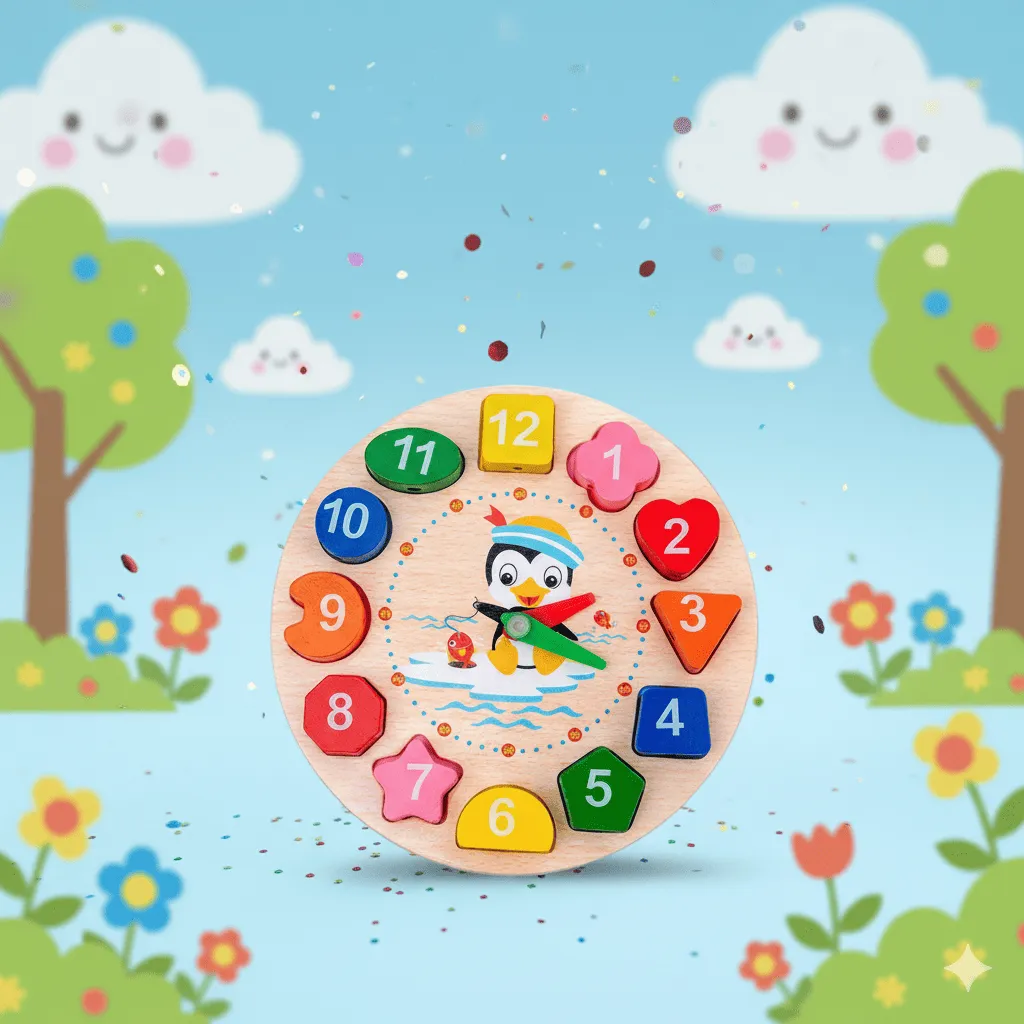
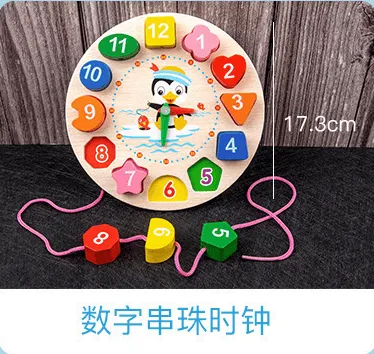
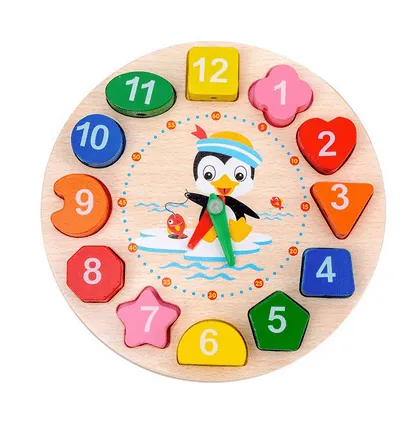
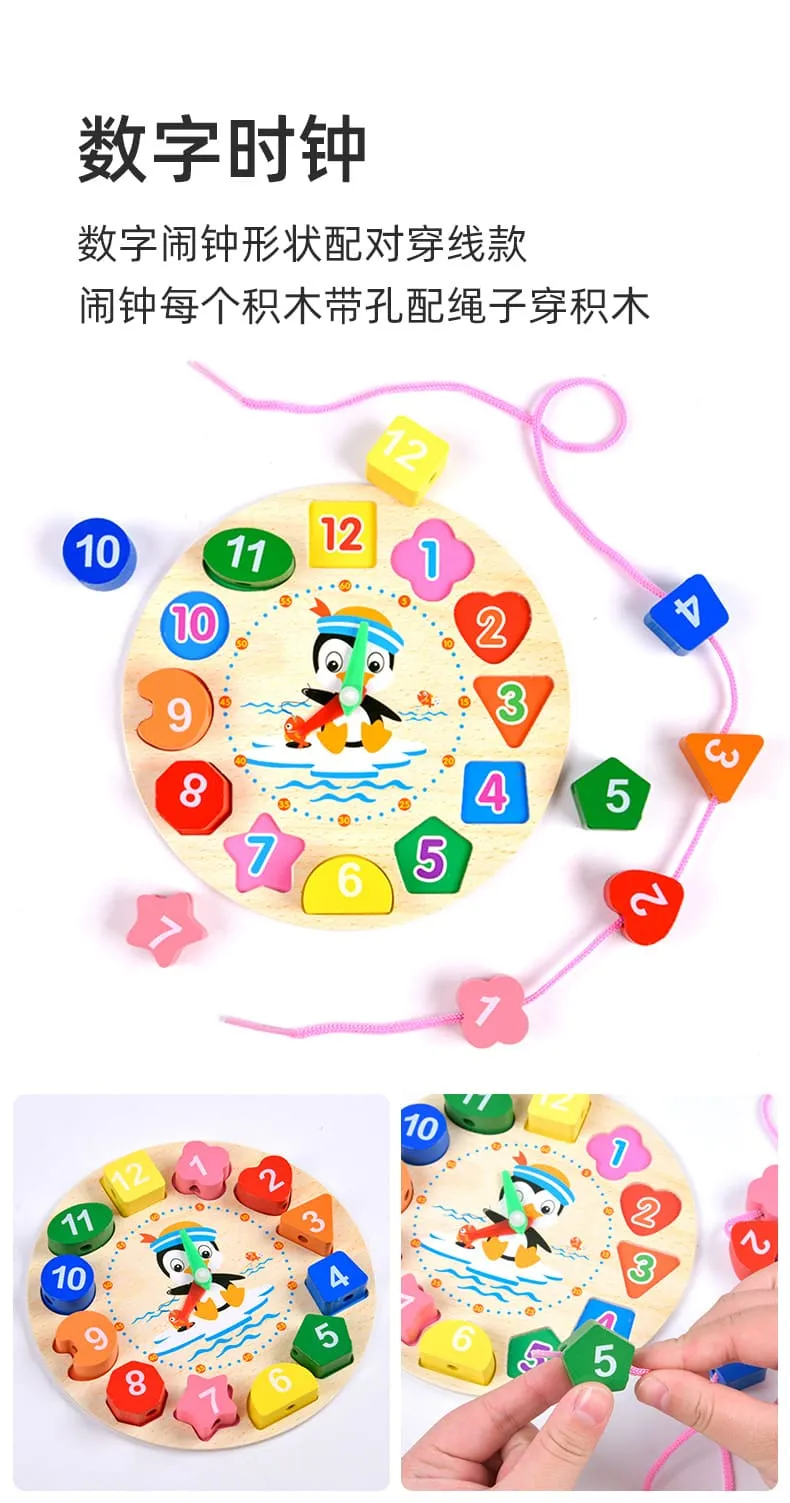
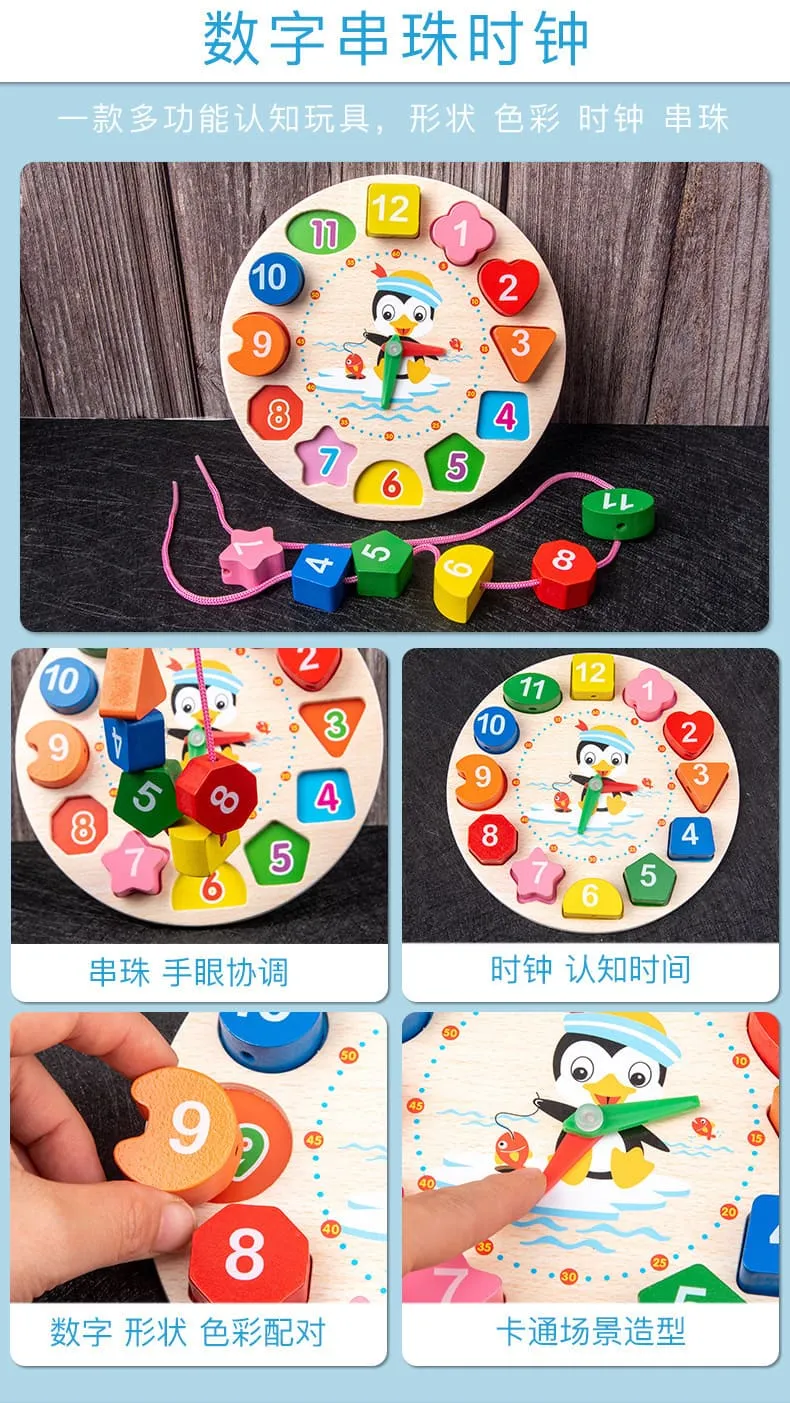
Wooden Learning Clock offers a sturdy, engaging way for young children to explore time, numbers, and daily routines through hands-on play. This child-safe clock features a round wooden face with clearly marked hours and minutes, oversized movable hands, and bright, tactile numbers arranged around the dial. The clock’s design encourages kids to manipulate the hands to match shown times, fostering early time-telling skills, sequencing, and a concrete understanding of how hours and minutes relate to daily activities. The natural wood construction with rounded edges and non-toxic finishes ensures durability and safety for curious toddlers, preschoolers, and early learners. A gentle, friendly animal motif sits at the center, inviting kids to engage in imaginative play while practicing time concepts during independent play, guided lessons, or classroom centers.
To extend learning, include themed prompts such as “What time is it for snack?” or “Show me 3 o’clock.” The movable hands provide a tactile way to compare times, while the numbered markers support counting and number recognition. The clock can be paired with additional wooden accessories like teaching cards, hour-minute worksheets, or playsets that simulate daily routines (wake up, snack time, cleanup). This multi-sensory approach helps children grasp abstract ideas about time through concrete, repeatable actions, improving concentration, fine motor precision, and cognitive flexibility.
In addition to core time-telling practice, the Wooden Learning Clock supports a broad range of literacy and language development opportunities. Educators and parents can pause at each hour to name the numbers, discuss colors, and narrate the activities that typically happen at that time of day. This scaffolding encourages children to articulate their reasoning, compare times (earlier vs. later), and build a robust mathematical vocabulary. The clock’s intuitive design invites open-ended exploration—children might set the hands to indicate breakfast, nap time, or playtime, then describe their choices and reasoning aloud, strengthening expressive language and confidence.
For classroom use, the clock scales across early grade levels. In preschool settings, it serves as a center-side activity that promotes cooperative play and peer discussion as children take turns adjusting the hands. In therapy contexts, it provides a concrete tool to address executive function goals, such as sequencing events, attention to detail, and working memory. At home, families can weave the clock into daily routines, using it as a visual schedule to cue transitions and establish consistent habits. The durable construction, easy-clean surfaces, and compact form make it suitable for shelves, desks, or travel kits.Maintenance and safety remain a priority. Clean with a damp cloth and mild soap, avoiding prolonged soaking. Store in a dry area away from direct sunlight to prevent fading. The pieces are sized to be grasped by small hands, reducing the risk of choking hazards when used with proper supervision for younger children. If you offer multiple age bands or progressive difficulty, I can tailor lesson plans and prompts to fit each group, from basic number recognition to advanced minute calculations .
- Hand-Eye Coordination: Successfully threading the beads requires the eyes and hands to work in tandem, improving the child’s ability to direct their movements accurately. This coordination is vital for sports, drawing, and many everyday activities.
- Concentration and Patience: Mastering bead stringing demands focus and perseverance, teaching children valuable lessons in patience and goal-oriented effort. They learn to manage frustration and celebrate small victories as they complete their string of beads.
- Sequencing and Patterning: As children string beads, they can be encouraged to create patterns based on color or shape, further developing logical thinking Skill.



Reviews
There are no reviews yet.